
Team Members
The INTERLAYER project brings together a multidisciplinary team of researchers, technical specialists and practitioners from its partner organisations
Meet Our Talented Team
Explore the profiles below to learn more about the people contributing with their knowledge, experience and expertise to the project.
Portugal
University of Évora
Miguel
Potes
Researcher
Bio
Miguel Potes (Project Coordinator and WP1 leader), PhD is Assistant Researcher and Director of the Center for sci-tech Research in EArth sysTem and Energy (CREATE – UIDB/06107, https://www.create.uevora.pt/), from the University of Évora. Has a solid background in Atmospheric Physics and Climate, completed his PhD in 2013 with a thesis entitled “Remote sensing and in situ determination of physical and micro-biological parameters of inland waters and its application on lake-atmosphere modelling”.
In 2015, Miguel received the Young Scientist Award from European Meteorological Society (EMS). From 2016 to 2019 Miguel was intensively involved in ALOP project (ALentejo Observation and Prediction systems – http://www.alop.ict.uevora.pt/). In 2025, Miguel became General Secretary of the Portuguese Association of Meteorology and Geophysics (APMG, https://www.apmg.pt/). He was involved in more than 20 projects and currently is leading 3 projects.
Orcid: http://orcid.org/0000-0002-8912-5277
ResearchGate: https://www.researchgate.net/profile/Miguel_Potes/info
Scopus: https://www.scopus.com/authid/detail.uri?authorId=7801553346
Maria Helena
Novais
Researcher
Bio
Maria Helena Novais, PhD, is a Researcher at the Water Laboratory of the University of Évora | Integrated PhD Researcher at the SOL4R Research Unit – Applied Research in Solar Energy for the Energy Transition
Holds a BSc in Biology, a Master’sUEVORA
Specialization in Conservation and Restoration of Inland Waters, and a European PhD in Biology from the University of Évora, completed in collaboration with the Public Research Centre Gabriel Lippmann (Luxembourg).
Has extensive experience gained through participation in numerous national and international research projects and specialized consultancy services in limnology (lotic and lentic systems), including the functioning of aquatic ecosystems, their biota, and the chemical and ecological assessment of water bodies in accordance with the criteria established by the European Union Water Framework Directive.
More recently, has been involved in projects focused on the Water–Energy Nexus, particularly the use of solar radiation in photocatalytic processes for the decontamination and disinfection of wastewater.
ORCID https://orcid.org/0000-0002-0870-2221
ResearchGate: https://www.researchgate.net/profile/MH_Novais
Scopus:
https://www.scopus.com/authid/detail.uri?authorId=35574495500
Josué Manuel
Figueira
Scientific Specialist
Bio
Josué Manuel Amaral Figueira is affiliated with the University of Évora and holds technical and scientific expertise in the fields of the environment, ecology, water resources, and geophysical monitoring. He is currently pursuing a degree in Ecology and the Environment while engaging in technical work with various research centers.
He currently collaborates with CREATE (Center for Sci-Tech Research in Earth System and Energy) at the University of Évora, focusing on applied research regarding Earth systems, energy, and environmental resource management. Throughout his career, he has participated in initiatives and projects linked to research centers of national and international standing, including the Institute of Earth Sciences and the INTERLAYER project, which addresses water availability and quality in the context of hydroclimatic extremes. His experience also encompasses the maintenance of weather stations, seismic data collection, and water sampling for physicochemical, microbiological, and biological analyses.
Ciencia Vitae: 2415-C06A-6DF1
Maria João
Costa
Professor
Bio
Maria João Costa is a Full Professor in the Department of Physics and an integrated member of the Centre for sci-tech Research in EArth sysTem and Energy (CREATE – UIDB/06107) at the University of Évora (https://www.create.uevora.pt/). She coordinated the CREATE research unit proposal, which received a Very Good rating in the latest evaluation by the Portuguese Foundation for Science and Technology (FCT). She obtained her Habilitation in Atmospheric and Climate Physics in 2020, her PhD in Physics from the University of Évora in 2004, an MSc in Geophysical Sciences (specialization in Meteorology) from the Faculty of Sciences of the University of Lisbon in 1997, and a BSc degree in Physics and Chemistry from the University of Évora in 1993. She has coordinated and participated in numerous national and international research projects and has taken part in several international field campaigns in the field of atmospheric sciences. She has supervised or co-supervised 6 PhD, 14 MSc, and 6 BSc students, with 4 PhD and 3 MSc students currently under her supervision. She has authored more than 100 peer-reviewed scientific publications and has received several awards and distinctions. Her research interests include aerosol and cloud characterization and their impacts on climate, as well as air and water quality monitoring.
Orcid: http://orcid.org/0000-0003-2981-2232
ResearchGate: https://www.researchgate.net/profile/Maria-Joao-Costa/info
Scopus: https://www.scopus.com/authid/detail.uri?authorId=59377344900
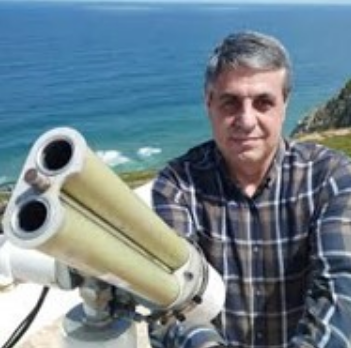
Samuel
Bárias
Professor
Bio
Samuel Ramos Bárias is a technical professional born in 1973, based in Évora, Portugal, working at the University of Évora’s in the Center for sci-tech Research in Earth System and Energy (CREATE). His background combines electromechanical and refrigeration/HVAC training from the 1990s with later certifications in AutoCAD design (2002) and Arduino-based electronics, automation, and robotics (2013). He has contributed to FCT-funded research projects in atmospheric and geophysical sciences, notably a 2018–2022 project on multispectral techniques for water quality and air pollution monitoring.
He is also a co-author on scientific outputs from the ALEX 2014 (Alqueva Hydro-Meteorological Experiment) campaign, studying lake-atmosphere interactions.
His profile reflects a hands-on technical specialist supporting environmental and meteorological research infrastructure, aligning with his current work on weather station systems and data validation.
Ciencia Vitae: 9115-58A7-A65E
ORCID: https://orcid.org/0000-0002-3586-8171
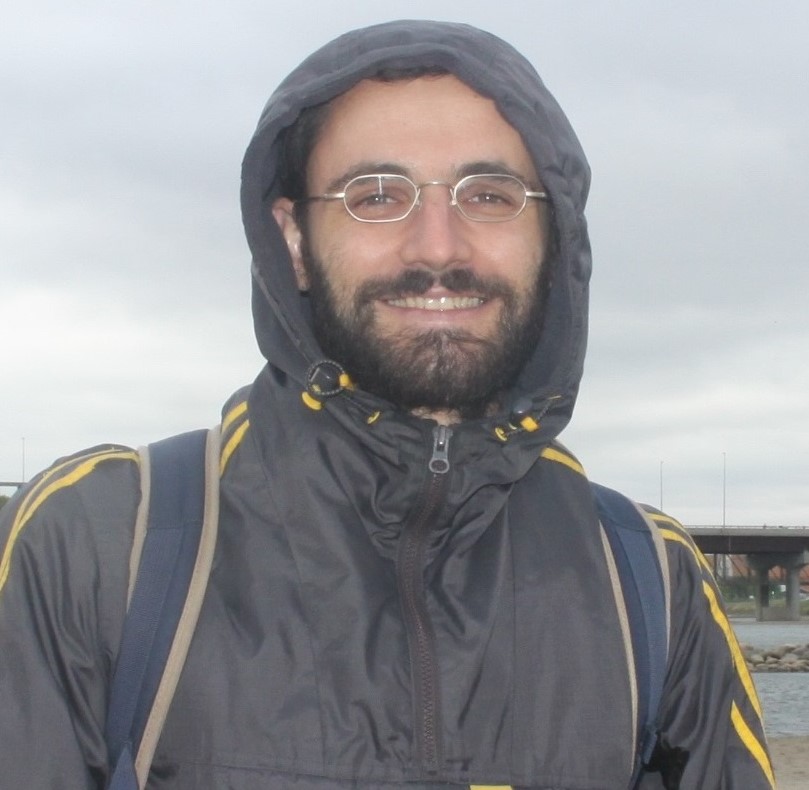
Diogo
Costa
Assistant Professor
Bio
Diogo Costa, PhD, is Assistant Professor at the Department of Geosciences of the University of Évora and an integrated researcher at MED – Mediterranean Institute for Agriculture, Environment and Development (UIDB/05183, https://www.med.uevora.pt/). He has a background in computational hydrology, hydro-biogeochemical modelling and water quality. Diogo completed his PhD in 2016 at the National University of Singapore, in partnership with ETH Zürich, on multi-scale hydro-biogeochemical modelling. From 2016 to 2019 he worked at the Global Institute for Water Security (University of Saskatchewan, Canada) and later at Environment and Climate Change Canada, where he developed several open-source water-quality models (e.g. FLUXOS, PULSE, WINTRA).
He currently coordinates national and international projects, including ENGAGE (Water4All) and Urbanos Resilientes (INTERREG-POCTEP), and contributes to several others including INTERLAYER.
ORCID: https://orcid.org/0000-0002-8841-2522
Google Scholar: https://scholar.google.ca/citations?user=_A_jA0IAAAAJ&hl=en
LinkedIn: https://www.linkedin.com/in/diogopcosta/
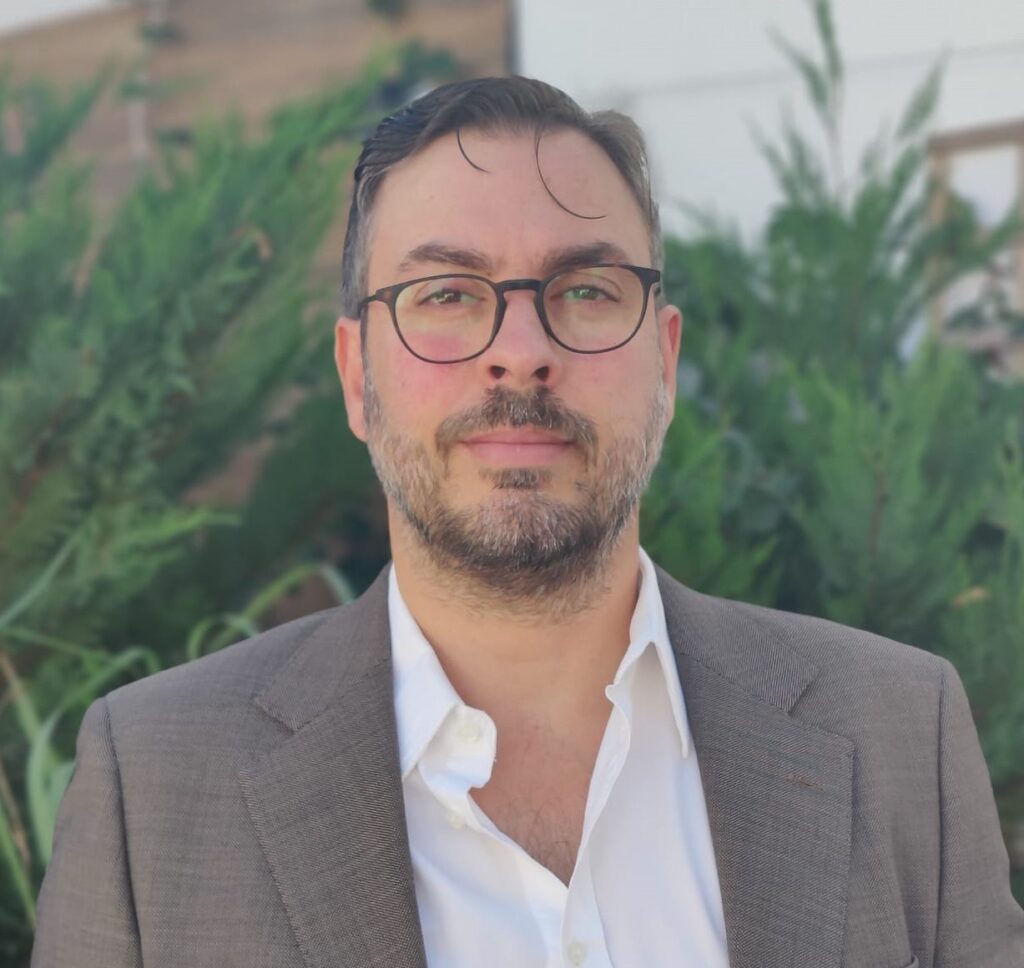
João Filipe
Santos
Adjunct Professor
Bio
João Filipe Santos holds a PhD in Civil Engineering from the Technical University of Lisbon. Since 2022, he has served as President of the South Committee of the Portuguese Water Resources Association (APRH). He is an Adjunct Professor at the Polytechnic Institute of Beja and an integrated researcher at CREATE (Pole of the IPBeja).
He is also an Editorial Board Member for Water (MDPI).
His career includes participation in numerous national and international research projects, with extensive experience in Portugal and abroad in Hydrology, Water Resources Management, Hydrological Modelling, and Hydraulics.
His scientific contributions focus particularly on extreme hydrological events—floods and droughts—and on assessing the impacts of climate change on water resources management, themes he has consolidated through multiple peer‑reviewed publications, book chapters and consultancy activities.
ORCID: 0000-0002-4671-9884
Research Gate: João Filipe Fragoso dos Santos
CIÊNCIA ID: EF19-A509-CCEC
LinkedIn: João Filipe Santos | LinkedIn
Jorge Manuel
Duque
Geologist and Hydrogeologist
Bio
Jorge Manuel Pereira Duque is a Portuguese Geologist and Hydrogeologist with a Ph.D. in Geology, specialising in Hydrogeology, awarded by the University of Lisbon in 2005 with Distinction and Honour by unanimous decision, an M.Sc. in Economic and Applied Geology, and a degree in Biology and Geology.
Has more than 30 years of professional experience in groundwater exploration, hydrogeological assessment, numerical modelling of groundwater flow and contaminant transport, hydrogeochemical modelling, environmental impact assessment, geotechnics, engineering geology and water-resources management.
His technical expertise includes the definition of groundwater protection zones, the design and supervision of public, private, industrial and thermal water-supply boreholes, the preparation of technical specifications, groundwater-monitoring programmes, contaminated-site risk assessment using RBCA methodologies, and the remediation of soils and groundwater affected by hydrocarbons, industrial pollutants and acid mine drainage.
He has extensive experience in applied geophysics, including VLF-EM, impedance magnetometry, self-potential, electrical resistivity tomography and induced polarisation, and has carried out 645 hydrogeological studies, more than 80 specialised hydrogeological, geotechnical and geophysical studies, and 43 groundwater-protection-zone projects covering approximately 360 public water-supply abstractions.
He has also participated in around 100 environmental impact studies, environmental compliance reports, strategic environmental assessments, municipal master plans and related environmental studies, acting as coordinator of seven Environmental Impact Assessments and as the specialist responsible for geology, soils, hydrogeology and socio-economic components in projects involving dams, irrigation schemes, roads, railways, airports, industrial areas, mining and quarrying, tourism developments and sanitation infrastructure.
His career includes long-standing responsibilities as Technical Director of groundwater-drilling and geotechnical companies, Managing Partner of GGT, Lda, partner of TerraWave Innovations Lda and SoilArray Lda, invited researcher at the University of Évora’s CREATE research centre, and co-founder and Chief Financial Officer of the Foundation for Health, Science and Technology in Mozambique.
He has significant international experience, particularly in Mozambique, and has contributed to major river-basin management plans in southern Portugal, aquifer recharge and protection studies for municipal planning, mining-environmental monitoring programmes and European research projects, including DAWETREST under Horizon Europe and INTERLAYER under Water4All.
In parallel with his consultancy and management activities, he has taught Geology, Hydrogeology, Environmental Geology, Water Resources Management, Environmental Simulation Models and Environmental Impact Assessment at the Universities of Évora and Algarve and at the Polytechnic Institute of Beja.
LinkedIn: https://www.linkedin.com/in/jorge-duque-19a69710?utm_source=share_via&utm_content=profile&utm_medium=member_ios
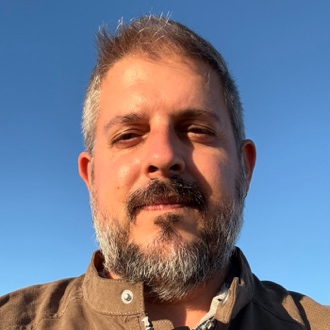
Rui Jorge
Oliveira
Assistant Professor
Bio
Rui Jorge Oliveira, PhD, is Assistant Professor at Faculty of Sciences and Technology – Department of Earth Sciences, and full member of Geosciences Center (CGeo), from University of Coimbra, Portugal.
Holds degree and master in Geological Engineering – Geological Resources (University of Aveiro, Portugal), and PhD in Earth and Space Sciences – Geophysics (University of Évora, Portugal).
His research focuses on applied geophysics and remote sensing, applied to archaeology, geology and environment.
Vice-president of the Portuguese Association of Meteorology and Geophysics (APMG). Member of EGU and AGU.
Since 2013 participated in several funded research projects, as member and PI.
ORCID: https://orcid.org/0000-0003-4114-7570
ResearchGate: https://www.researchgate.net/profile/Rui-Oliveira-22
Scopus: https://www.scopus.com/authid/detail.uri?authorId=56248279000
Romania
GeoEcoMar
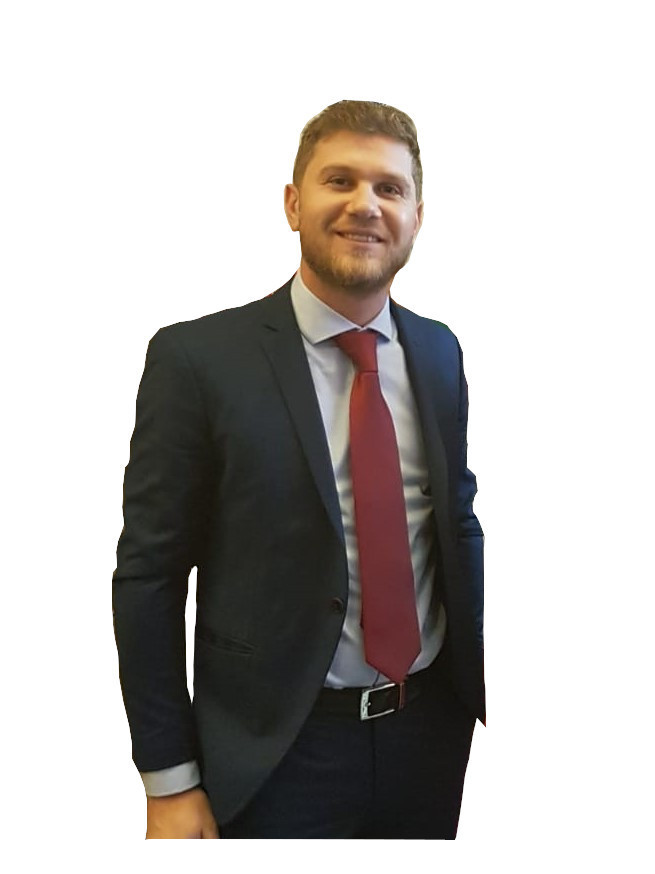
Albert Scrieciu
Environmental geologist
Bio
Albert Scrieciu
Senior Scientific Researcher
GeoEcoMar
Albert Scrieciu is an environmental geologist and senior scientific researcher at Romania’s National Institute for Marine Geology and Geoecology, GeoEcoMar, where he coordinates the Department of Interdisciplinary Research on the Fluvial Environment. With more than fourteen years of experience in geoecology, hydrology, and sedimentology, his work focuses on river basin management, wetland and floodplain restoration, ecosystem resilience, and climate change adaptation, particularly within the Danube River Basin and the Danube Delta.
He holds a PhD in Management from the Bucharest University of Economic Studies. His doctoral research examined the management and governance of protected natural areas in the Razelm-Sinoe Lagoon System, with particular attention to the institutional and environmental challenges affecting sensitive wetland ecosystems.
He contributes to European research and innovation projects, including SOS2LearnDBS, iNNOSED, STARS4Water, MERLIN, Restore4Life, and EcoDaLLi, supporting the development and implementation of Nature-based Solutions for wetland restoration, biodiversity recovery, and climate resilience. His research addresses the contribution of restored wetlands and floodplains to sediment retention, water quality improvement, habitat recovery, and flood risk reduction.
Albert serves as Romania’s National Representative in the International Association for Danube Research and as a scientific advisor to the national authority responsible for protected natural areas. He has co-authored international scientific publications on Nature-based Solutions, wetland restoration, and ecosystem resilience, and collaborates with public authorities, researchers, practitioners, and local communities in the co-design and implementation of restoration initiatives in the Lower Danube region.
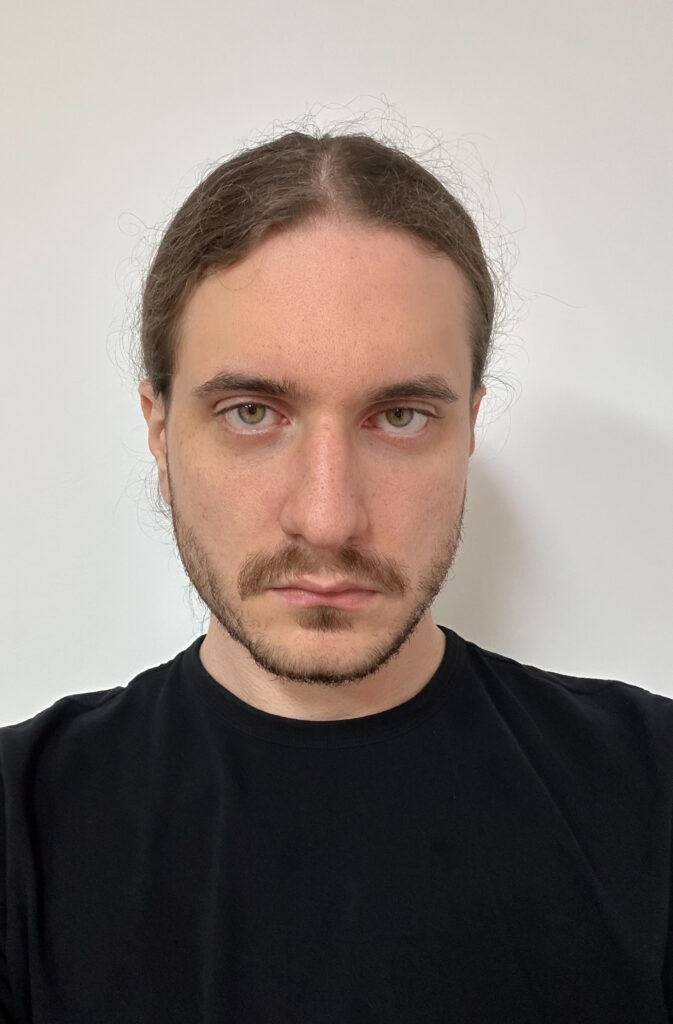
Andrei Virgil Toma
Research scientist
Bio
Andrei Virgil Toma
Research scientist at the National Research and Development Institute for Marine Geology and Geoecology, GeoEcoMar, where he works within the Department of Interdisciplinary Research on the Fluvial Environment
His research focuses on Earth observation, geographic information systems, GIS, and cartography, with particular emphasis on synthetic aperture radar, SAR, remote sensing and the extraction of reliable geospatial information from satellite imagery.
He holds a BSc in Geography and an MSc in Geomorphology from the University of Bucharest. He is currently pursuing a PhD at the Faculty of Geography, University of Bucharest, where his doctoral research focuses on mapping flooded areas using deep learning algorithms applied to SAR data.
His work combines radar and optical Earth observation methods to investigate riverine, deltaic, and coastal environments. His research interests include flood detection and mapping, surface-water dynamics, shoreline monitoring, and geomorphological change. His project experience includes iNNO SED, SoS2LearnDBS, STARS4Water, MERLIN, Restore4Life, and EcoDaLLi. He disseminates his findings through peer-reviewed publications and presentations at scientific conferences.
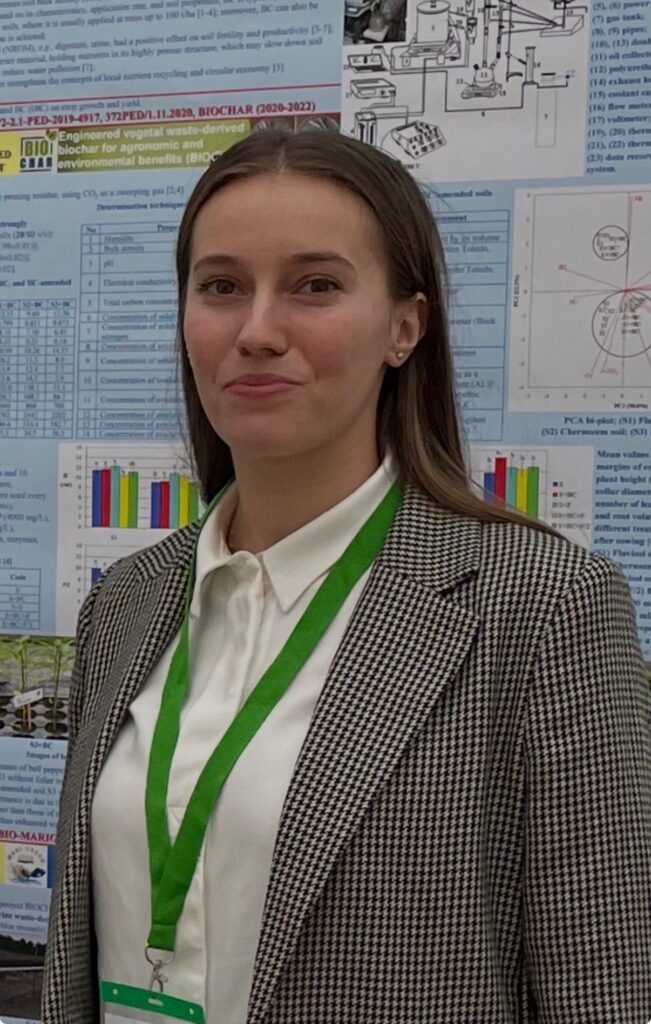
Daniela Florea
Research assistant
Bio
Daniela Florea
Research Assistant at GeoEcoMar
Daniela Florea is a research assistant in the Geochemistry Team at the National Research and Development Institute for Marine Geology and Geoecology, GeoEcoMar. Her research focuses on the occurrence and distribution of metals in marine and freshwater environments, with particular attention to their concentrations in water, sediments, and biota and to the environmental implications of metal accumulation. Her analytical work includes the use of inductively coupled plasma mass spectrometry, ICP-MS, for the determination of trace metals in environmental samples.
She is currently pursuing her PhD at the National University of Science and Technology POLITEHNICA Bucharest. Her doctoral research addresses the phytoremediation potential of aquatic plants for reducing heavy-metal concentrations in contaminated sediments.
Her professional interests include trace-metal monitoring, ecotoxicological risk assessment, phytoremediation, and the development of sustainable approaches for monitoring and mitigating metal contamination in aquatic ecosystems. She contributes to national and European research activities related to aquatic ecosystem monitoring, wetland restoration, sediment quality, biodiversity, and ecosystem resilience. Her project experience includes iNNO SED, SOS2learnDBS, STARS4Water, MERLIN, Restore4Life and EcoDaLLi.
Austria
University of Natural Resources and Life Sciences – BOKU
Dr.Magdalena von der Thannen
Senior Scientist & Lecturer
Bio
Magdalena von der Thannen
Dr. Magdalena von der Thannen is a Senior Scientist and lecturer at the Institute of Soil and Water Bioengineering and Landscape Construction at BOKU University, Vienna. She holds degrees in Landscape Planning and Landscape Architecture and Alpine Natural Hazards and completed her PhD in Soil and Water Bioengineering in 2019, focusing on the life cycle assessment of nature-based protective structures.
Her research combines Nature-based Solutions, Life Cycle Assessment, ecosystem carbon dynamics and greenhouse gas fluxes to assess the long-term sustainability and climate performance of ecological restoration and protective measures.
She works at the interface of environmental engineering, ecosystem science and sustainability assessment, with a particular focus on carbon balances, greenhouse gas dynamics and ecosystem services.
Helene Mueller
PhD Student
Bio
Helene Mueller
Helene Mueller is a PhD student at the Institute of Soil and Water Bioengineering and Landscape Construction at BOKU University, Vienna. She holds a degree in Civil Engineering and Water Management.
Her research focuses on river systems, hydromorphology, and riparian vegetation, with a particular interest in the interactions between water, vegetation, and ecosystem processes in the context of climate change adaptation and resilient landscape management.
Her work combines hydrology, ecology, vegetation science, and nature-based solutions to address challenges in both urban and rural environments.
Current and recent research includes the assessment of urban stream water temperatures and climate adaptation strategies, as well as the potential of blue-green infrastructure for the ecological restoration of urban streams.
She also investigates the role of woody vegetation, including shrubby willows, in water systems and flood protection infrastructure. A further focus of her research is the development and application of a vegetation database and climate-envelope models to assess climate-related risks and support the long-term provision of ecosystem services. Across these areas, her research contributes to practical, science-based approaches for adapting water systems and landscapes to climate change while enhancing ecosystem functions and biodiversity.
Johann Peter Rauch
Associate Professor
Bio
Johann Peter Rauch
Assoc. Prof. DI Dr. Johann Peter Rauch is an Associate Professor at BOKU University, where he leads research and teaching in the interdisciplinary field of Soil and Water Bioengineering. With a strong background in both technical and natural sciences, he focuses on the sustainable management of landscapes and ecosystems, combining ecological engineering, hydrology, and socio-environmental systems thinking.
His expertise lies in developing integrative approaches to ecological restoration, erosion control, and slope stabilization, with an emphasis on long-term resilience and sustainability. As a dedicated academic, Dr. Rauch contributes extensively to teaching, curriculum development, and student supervision, fostering transdisciplinary learning and application.
His work is widely recognized for bridging science and practice in the pursuit of sustainable land-use solutions.
Spain
MeteoGrid
Jaime Batalla
Founder, CEO
Bio
Jaime Ribalaygua Batalla
Founder, CEO and Technical Director at MeteoGrid
MeteoGrid Project Coordinator | WP1, WP3 and WP4
Dr Jaime Ribalaygua Batalla is the founder, CEO and Technical Director of MeteoGrid. He holds a PhD in Forestry Engineering, a Master’s degree in Environmental Impact Assessment and Mitigation, and a Master’s degree in Theoretical and Applied Meteorology.
He has extensive professional experience in meteorology, weather forecasting and climate research. He is the main creator of the FICLIMA methodology, a statistical method used to generate high-resolution climate scenarios from low-resolution General Circulation Model simulations.
He has participated in major European climate research projects, including CLARITY and ENSEMBLES, and has coordinated research activities related to climate impacts, adaptation and vulnerability for Spanish governmental and regional institutions. His international experience includes climate research and the development of early warning systems in Nicaragua, Honduras, Ecuador, Colombia and other countries in Latin America.
He is also involved in several MeteoGrid projects, including HIDALGO2, VERA and FIREURISK.
Allinson Borroto Fonseca
Team Member
Laura Asensio Martínez
Team Member
Marcos Sánchez Provencio
Team Member
Denmark
Geological Survey of Denmark and Greenland – GEUS
Peter van der Keur
Senior Scientist
Bio
Peter van der Keur
WP4 Lead
Peter van der Keur, PhD is Senior Scientist at the Geological Survey of Denmark and Greenland (GEUS) and has a background as hydrologist with long time experience in hydrological assessment studies and climate change and adaptation and disaster reduction studies. In recent years he has been involved in hydrologic impact studies related to extreme weather events and climate change adaptation, especially using nature-based solutions. Recently he has coordinated a work-package on NBS living labs in the EU-Horizon2020 NAIAD project on insurance value of ecosystems for water relater risk mitigation; and coordinated the EU Horizon2020 ERA-NET / GeoERA TACTIC project on climate change impact on groundwater resources. He is currently coordinating the EU-Horizon Europe CSA part on groundwater resources in the Geological Service for Europe project (GSEU). He is chair of the UNECE Groundwater Resources Working Group contributing to the UN Framework Classification for Resources (UNFC) and UN Resources Management System (UNRMS) to manage the natural resources required for the present and future needs of the society and realizing the objectives on Sustainable Development Goals (SDGs).
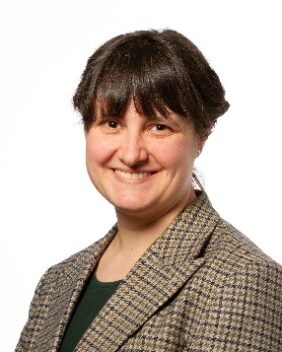
Ida Karlsson
Seidenfaden
Senior Scientist
Bio
Ida Karlsson Seidenfaden
Senior Scientist at the Geological Survey of Denmark and Greenland (GEUS), specializing in hydrogeology with a primary focus on climate change impacts and uncertainty studies using integrated hydrological and groundwater modeling.
In recent years, she has expanded her work to include nitrogen regulation studies through transport modeling and research on climate extremes, such as flood management, future projections, and drought impact assessments. She also served as Vice-Coordinator for the EU Horizon 2020 ERA-NET / GeoERA TACTIC project, which examined the effects of climate change on groundwater resources. She currently leads several national projects in Denmark, focusing on drought monitoring and biodiversity conservation issues.
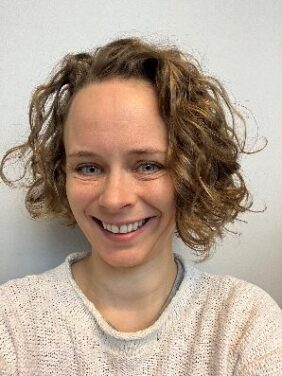
Tanja Denager
Hydrologist
Bio
Tanja Denager
A hydrologist with strong analytic and numerical skills, affiliated with the geological survey of Denmark and Greenland (GEUS). Her research interest is within hydrological modeling, and she applies models on the hydrological system to contribute to climate change adaptation and mitigation solutions, and general management of the water resources. She is experienced within advanced data processing, programming and calibration techniques, and her modelling work has focused on integrated hydrological modelling, groundwater modelling and land surface modelling. Within recent years her research has centered around the climate-driven variability in groundwater depth in peatlands and the impact on greenhouse gas emissionsH
University of Copenhagen
Marina
Jensen
Professor
Bio
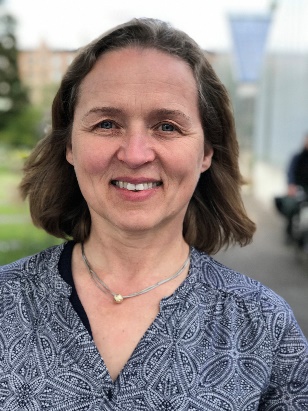
Marina Bergen Jensen
Professor in Nature-Based Climate Adaptation at the University of Copenhagen
Responsible for WP2.2
Marina Bergen Jensen is a professor specializing in nature-based climate adaptation at the University of Copenhagen. With over 15 years of experience in urban stormwater management, she challenges conventional hard infrastructure approaches by developing and testing innovative solutions that place nature and natural processes at the forefront. Her research has led to groundbreaking technical innovations such as Dual Porosity Filtration for road runoff treatment to high water quality and to the Green Climate Screen, which manages stormwater through evapotranspiration rather than infiltration or discharge.
Marina’s work also includes the co-founding of the national network DNNK (Denmark’s National Network for Climate Adaptation), which grew out of her leadership in the “Water in Cities” research and cross-disciplinary collaboration project. She is recognized for her ability to apply action research within triple-helix constellations, working closely with private companies, municipalities, and water utilities. Her collaboration extents to Norway, Sweden, Finland, Germany, The Netherlands, Austria, France, Portugal, China, Ethiopia, Tanzania and South Africa. She has supervised or co-supervised 20 PhD students (one ongoing), has 45 publications registered in WoS and a H-index of 14.
Peter Andersen
Associate Professor
Bio
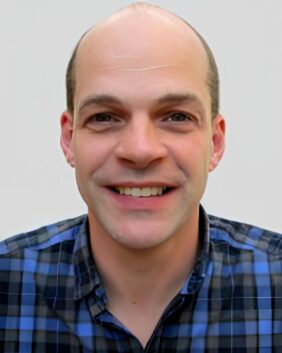
Peter Stubkjær Andersen
Associate Professor in Landscape Management and Planning at the University of Copenhagen
Responsible for WP5
Peter is Associate Professor at the University of Copenhagen working with landscape management and planning, with special expertise on landscape ecology, multifunctionality, land use transitions, and governance processes in rural landscapes. He has a MSc in Forestry (2004) and obtained the PhD degree in 2013 from the Department of Geosciences and Natural Resource Management at the University of Copenhagen.
Recent and current research projects include the EU project WaterProtect (2017-2020) focusing on rural water governance, the InterReg project Land4Climate (2023-2026) focusing on land use change and climate adaptation in Danish municipalities, the project “Climate projects as driver for landscape improvements” (2023-2024) focusing on developing local strategies for climate actions, and the project TRANSFORM (2024-2026) focusing on land use transformations in relation to the green transition.
Peter teaches at both Bachelor and Master level courses such as Landscape and Restoration Ecology, and Rural landscapes – management and planning. Besides this he supervises several master thesis students every year.
Thomas Balstrøm
Associate Professor
Bio
Thomas Balstroem
Associate Professor in Geoinformatics at the University of Copenhagen
Contributor to WP2
Thomas Balstroem is an associate professor in geoinformatics at University of Copenhagen, Denmark, with a background in physical geography and GIS modeling. In the past decade he has dedicated himself to research in stormwater and storm surge management. From two GIS based screening methods he can provide first overviews of cities and landscapes susceptibility to flooding and inundation. From the results, some first approximations mitigation actions can be considered from nature-based solutions.
Capital Region of Denmark – Former Partner
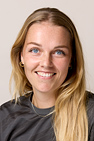
Helene Strøbech
Climate Consultant
Bio
Helene Lykke Strøbech
consultant within climate change adaptation at the Capital Region of Denmark.
Helene’s hold a master’s degree in Disaster Risk Management & Climate Change Adaptation from Lund University. She is currently involved in several EU projects focusing on climate change adaptation, nature-based solutions, social resilience and stakeholder involvement.
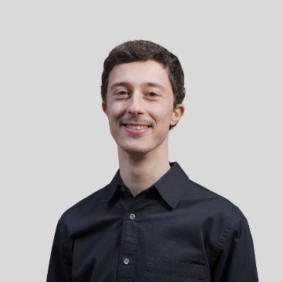
Arnau Macià Pou
Environmental Biologist
Bio
Arnau Macià Pou
Environmental biologist with a master’s degree in climate change from the University of Copenhagen.
With experience in environmental education within the non-profit sector and a background in stormwater management and nature-based solutions, he now supports climate adaptation projects for the Capital Region of Denmark.